2026 Guild Presidential Debate
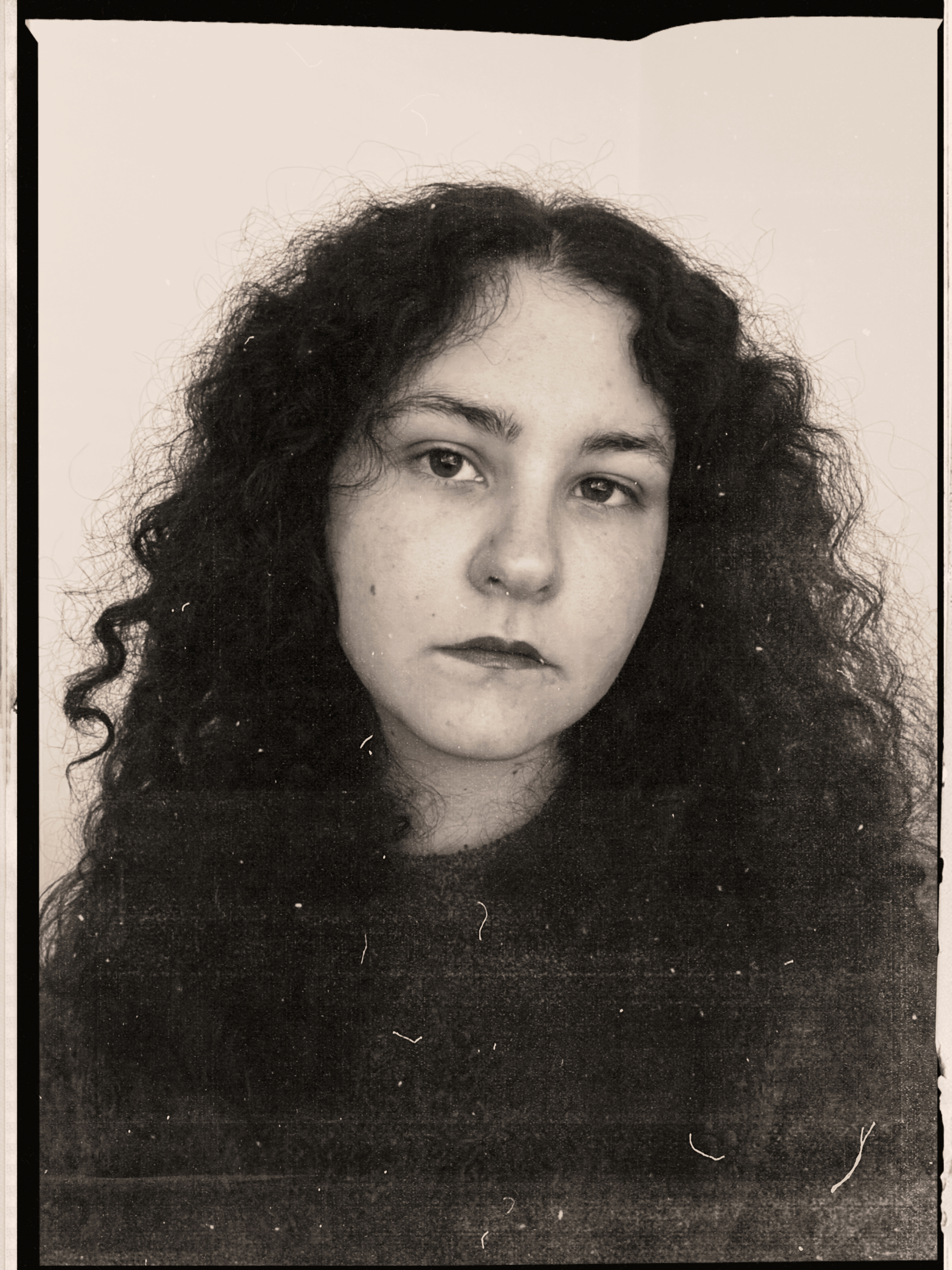
The 2026 UWA Guild Presidential Debate opened with three candidates, four questions and a familiar problem: how to make student politics feel consequential to students. Taking place at the Tattershall Lecture Theatre on Tuesday, 2 September 2026, and moderated by Pelican Editor Ellie Fisher, the debate brought together Elijah Moore of Lift, Matilda Menna of Left Action for Free Education and Reana Bose of Spark. Their platforms differed in scale and political language, but each returned to the same pressures: the cost of living, access to education, the relationship between students and university management, and the changing conditions of academic work.
Elijah positioned Lift as a practical alternative to what he described as the usual Guild politics. He emphasised affordability, accessibility and the everyday usefulness of the Guild, while acknowledging that he had less Guild experience than the other candidates. His background in tutoring, volunteering and community work, he argued, had given him experience with the kinds of problems students bring to institutions.
Matilda’s opening statement was more directly oppositional. She described Left Action as an activist party concerned with the power held by university management, corporations and government. Her account of student representation extended beyond services and campus life into questions of labour, militarism, racism, Indigenous sovereignty and the purpose of public education. For Matilda, the Guild should challenge the conditions that make university inaccessible in the first place.
Reana, the current Guild vice-president, approached the question through a record of practical changes. She pointed to universal 11:59 pm submission times, two-day simple extensions, the reopening of Reid Library for twenty-four hours, free exam meals, SmartRider grants and support for students undertaking unpaid placements. Spark’s campaign, she said, would build on this work rather than begin again.
The second question asked each candidate to identify their party’s three most important policies.
Lift’s proposals were directed towards student services and campus infrastructure. Elijah proposed an additional $35,000 in Guild funding for clubs, fridges in busy libraries and student spaces, and practical skills courses in areas such as bartending, first aid and barista work. The courses would initially be non-accredited, with the emphasis placed on giving students skills they could use outside the university.
Left Action’s platform was more expansive. Matilda called for free higher education, opposition to militarism and cheaper food and coffee on campus, including $5 meals in Guild cafés. She also advocated for fully paid placements at minimum wage or above. The proposals connected student affordability to broader questions about who is expected to subsidise the university through unpaid labour, debt and time.
Spark’s policies were grouped under cost of living, academic reform and student life. Reana identified rent support, free exam parking and assistance with unpaid placements as immediate concerns. Her academic proposals included 10 am exams, a two-week study break and an online course planner. On student life, she proposed improving club venue bookings, leadership training and fundraising support.
The question of a possible restructuring or merger involving Western Australian universities produced the clearest division between the candidates.
Matilda opposed a merger outright, arguing that it reflected the wider corporatisation of the university and threatened staff conditions and the quality of education. Her response placed the proposed restructuring within a larger political struggle over public institutions and the influence of corporate interests.
Elijah was more cautious. He raised concerns about reduced competition and the possibility that students could lose choice, but did not rule out every form of restructuring. Instead, he focused on the need for student representation and consultation, particularly around degrees, assessments, teaching quality, fees, costs, clubs and campus life.
Reana said that there was not yet enough information to determine what a merger would mean. Her position was to demand transparency and meaningful student consultation, supporting proposals that benefited students and opposing those that did not. The difference between the candidates was therefore partly a difference in timing: Matilda treated the merger as an extension of an existing political problem, while Elijah and Reana emphasised the need to establish its actual consequences before taking a final position.
The final question concerned generative artificial intelligence and the university’s response to academic misconduct.
Elijah described AI as an established part of contemporary life, with potential benefits as well as risks. He argued that students and staff should be consulted, that the university should invest in training, and that rules should be clear enough for students to understand what is permitted. He also connected AI policy to employability, suggesting that students would need to know how to use the technology in professional settings.
Reana similarly argued for ethical and critical AI literacy. Her concerns centred on clear boundaries, consistent expectations across units and the need for students to acknowledge their use of AI where required. She also stressed that students should not face different standards depending on the preferences of individual lecturers or tutors.
Matilda rejected the normalisation of AI more broadly. She connected the technology to surveillance, job cuts, staff autonomy and the wider expansion of militarised and authoritarian systems. For Left Action, the issue was not only whether a student had used AI in an assessment, but what kind of university was being built through its adoption.
The debate left students with three distinct visions of what the Guild should be: a practical service, a vehicle for reform, or an organised force willing to challenge the university itself. With voting closing Thursday at 5 pm, the candidates’ proposals now move from the debate stage to the ballot. Students will decide which version of student representation they want for 2027, and what they expect the Guild to do when the university’s pressures become their own.


Comments