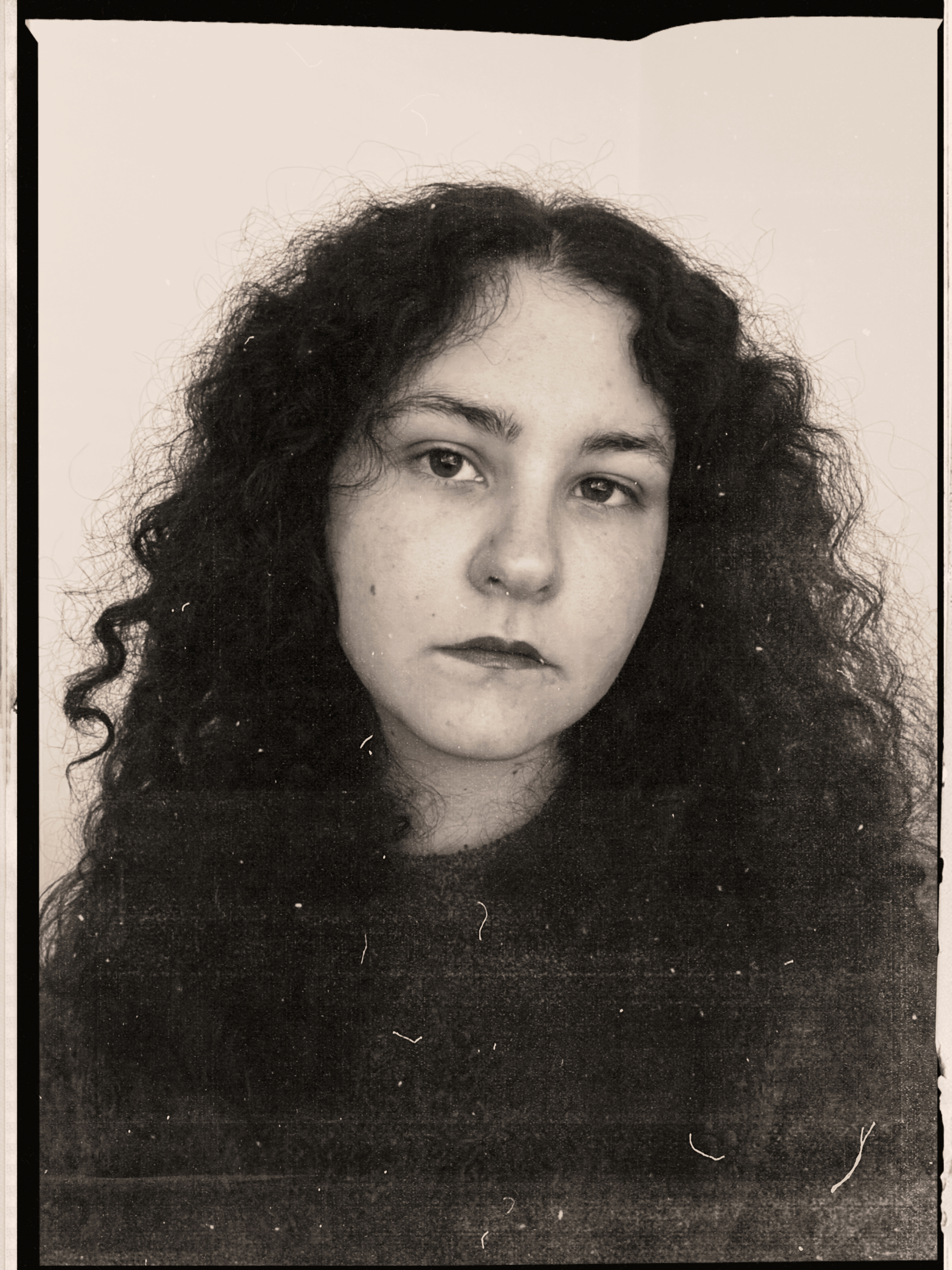
An Interview with your 2026 Women’s Officer, Hana Giltrap
Updated: Jul 28
Ellie Fisher: To begin, could you introduce yourself to our readers—what you’re studying at UWA, and the pathways (intellectual, political, personal) that led you to the role of Women’s Officer in 2026?
Hana Giltrap: Hi everyone! I’m Hana, the 2026 Women’s Officer.
I’m a current political science student at UWA. I took on the role of Women’s Officer with the goal of making women feel seen, included and represented on campus, with a strong sense of excitement at the idea of hosting fun events for women at UWA.
EF: How do you understand the function of the Women’s Department within the university context at the moment? What feels urgent, and what kinds of work tend to go unseen?
HG: The Women’s Department does a lot of work, from events coordination to support of other UWA clubs to advocacy work. What feels the most urgent is having a visible Department that not only includes women on campus but also does good work for real issues. We raise money for women’s charities often.
EF: In stepping into this role, what concerns or commitments have you brought with you? Are there particular issues affecting students on campus that you feel require sustained attention this year?
HG: Stepping into this role has been challenging – between working almost full-time, trying to get into the postgraduate degree I’m aiming for and entering work in the political field, there’s been a lot going on. I’ve been lucky to have some of my closest friends already on Guild to give me a hand. The Women’s Department this year is intent on bringing awareness to and preventing the issue of sexual harassment at UWA. At the end of the day, violent attitudes toward women are systemic and perpetrated by those who would never identify themselves as a perpetrator of harassment. We aim to change this through a series of initiatives over the year.
EF: Could you speak to the kinds of initiatives, events, or campaigns the Women’s Department is currently organising or planning in the coming months, and what you hope they might make possible for students?
HG: Get excited for puppy yoga, free matcha, coffee van socials and networking events. We’ve got so many fun events planned as well as more casual bake sales and sausage sizzles where you can relax and connect. We’re beginning our Speak Up initiative, targeting sexual harassment and gender-based violence on campus, kicking off with a survey where your voice can be heard.
EF: The stability of the concept of gender is increasingly contested and expanded within feminist discourse at the moment—how does your approach to the role engage with questions of inclusivity, trans and non-binary solidarity, and intersectionality?
HG: The Women’s Department exists for all women-identifying or non-binary students. I strongly believe that your identity is none of the business of others. If you feel that you would enjoy our events and identify with the mission of the Department, we welcome you and ask no questions. We’re a safe space for all students.
EF: What does feminism look like to you in practice, on a campus like UWA? Are there moments, conversations, or forms of organising that have felt especially meaningful?
HG: The equality of opportunity is the foundation of a strong and functioning society. What is essential to this concept is the ability for women on campus to feel respected and valued so that they can take any opportunity they wish for. We recognise that sexual harassment deeply affects the way in which a woman views her own potential and is a deeply anti-feminist problem, and we strive to achieve true equality by eliminating sexual harassment.
Feminism, to me, means giving women in this victimised position a choice in retributive or restorative action. Feminism means making sure women do not face harassment and that, when they do, it is addressed.
Hearing the stories of women who have experienced this has been incredibly meaningful and jarring to consider that this still happens.
EF: Finally, are there any texts, films, artworks, or other forms of feminist media that have shaped your thinking recently—what would you recommend to readers wanting to engage more deeply with gender and feminist politics right now?
HG: Ooh... I’m quite taken by Louise Bourgeois’ sculpture ‘Maman.’ This isn’t a contemporary or new artwork in the immediate sense, but the depiction of a mother’s strength is inspiring.


Comments